What makes a shopper pick up one product over another in a crowded aisle? Why does one jar of jam or bottle of lotion grab attention instantly, while another goes unnoticed?
In an era of saturated markets and fast-moving consumer behavior, standing out isn’t just helpful—it’s necessary. Brands need packaging that grabs attention and encourages action. That’s where label design steps in. From the psychology of color to high-resolution printing technologies, every element on a product label is an opportunity to communicate, persuade, and convert.
This is where DuraFast Label Company makes a difference. With a reputation for supplying high-quality color label printers, toners for label printers, and affordable blank inkjet labels, they provide the tools brands need to make their packaging memorable. Whether it’s direct thermal labels, premium topcoated options, or portable label makers, their solutions are designed to enhance both function and aesthetics.
In this article, we’ll look at the art and science of label design: why it matters, what works, and how to use it effectively.
Why Label Design Matters More Than Ever
Label design is often the first handshake between a product and a potential buyer. It’s not just decoration—it’s communication. Here’s why it’s so critical:
·First impressions are lasting: Packaging often forms a consumer’s initial perception of the brand.
·Shelf competition is fierce: With dozens, sometimes hundreds, of similar items side-by-side, a standout label can mean the difference between a sale and a pass.
·Online marketplaces add new pressure: Even in digital stores, high-quality label imagery drives clicks and conversions.
·Consumer expectations are rising: Today’s buyers are design-savvy. They expect professionalism, clarity, and appeal.
Typography: Telling the Brand Story in Letters
Typography is about more than just choosing a font. It’s about creating a visual hierarchy, guiding the eye, and reinforcing brand identity.
Key Principles:
Legibility First
·Fonts must be readable at various sizes, from close-up inspections to distant shelf views.
·Avoid overly ornate fonts for essential information.
Hierarchy of Information
·Use size, boldness, and contrast to highlight key details: product name, benefits, instructions.
·Consumers scan, they don’t read—make scanning easy.
Font Pairing
·Use no more than 2-3 fonts.
·Pair a strong serif or sans-serif for headlines with a simpler font for body text.
Alignment and Spacing
Clean alignment and generous spacing improve readability and visual appeal.
Color Psychology in Label Design
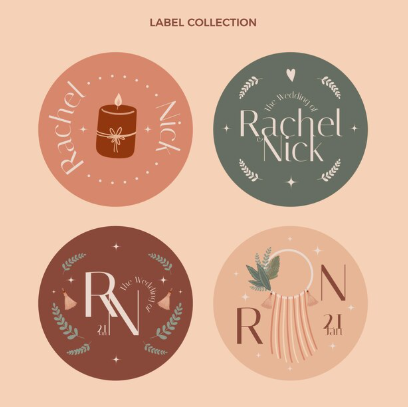
Color isn’t just decorative—it communicates meaning instantly. Different hues trigger different emotions and perceptions, influencing buying behavior subconsciously.
Common Color Associations:
·Red: Energy, urgency, passion (great for food and sale items)
·Blue: Trust, calm, reliability (popular in healthcare and tech)
·Green: Nature, health, sustainability (common in organic and eco products)
·Yellow: Optimism, attention-grabbing, warmth
·Black: Luxury, authority, sophistication
·White: Purity, simplicity, cleanliness
Tips for Using Color Effectively:
·Stick to a limited palette that reflects your brand identity.
·Ensure good contrast between background and text.
·Test how colors appear under different lighting and on different materials.
The Role of Imagery, Icons, and Logos
The visual elements of a label—images, icons, and logos—should complement the text, reinforce the message, and evoke emotion.
Logo Placement:
·Strategic Visibility: A logo is the face of the brand and should always be clearly visible on the label. However, it must not dominate or overshadow other important details like the product name, ingredients, or usage instructions. The placement should balance prominence with context—usually placed in a top corner, central area, or along the bottom depending on the overall design. The goal is for it to reinforce brand consistency without overwhelming the design.
·Consistency Across Products: Consistent logo placement across all products in a brand’s line helps with brand recognition. Whether it’s a set of food, beverage, or cosmetic items, customers should immediately recognize the brand from its logo placement alone.
Product Photography:
·High-Resolution Images: Product photography is one of the most important visual aspects of the label. It should be sharp, clear, and accurately represent the product being sold. A blurry or poorly lit image can diminish a customer’s trust in the product. Ideally, it should showcase the product in its best light while ensuring the viewer can clearly see what they are buying.
·Authenticity: For certain product types, such as food or cosmetics, the image should show the actual product or ingredients, helping the consumer form an accurate expectation. For example, in the case of a skincare product, showing the texture or consistency through close-up shots can make a difference in buyer decisions.
Illustrations and Icons:
·Simplifying Complex Information: Icons and illustrations can break down complex information into easily digestible visual cues. For example, a laundry detergent label may use a water droplet icon to indicate “gentle on fabrics” or a flame icon to show that the product is heat resistant. These icons are visual shorthand for important features, benefits, or usage instructions.
·Enhanced User Experience: Instead of lengthy paragraphs, using intuitive visuals for instructions or benefits—such as arrows, symbols, or other graphic elements—ensures that the customer can quickly understand how to use the product or what makes it special.
·Design Style and Cohesion: Icons should align with the overall style of the label, from the color scheme to the typography. For example, a natural health product might use soft, earthy-toned icons, while a tech product could use sleek, minimalistic icons to communicate a modern vibe.
Label Shape, Size, and Layout
Container Shape:
·Custom Labels for Unconventional Containers: Not all products come in standard rectangular or cylindrical containers. A round bottle, for instance, presents the challenge of fitting a label without distorting or crowding the design. A flexible, wrap-around label might be necessary to fit a curved surface, allowing for better use of space and visibility of design elements.
·Packaging-Specific Layouts: Different shapes and types of packaging may demand unique approaches. A box may allow more room for detailed design, while a small tube or bottle may require concise and minimalist design strategies. The shape of the container should influence the design, ensuring the label works with the product’s form rather than against it.
Size Constraints:
·Design Minimalism for Small Labels: Smaller labels often require a streamlined design due to space limitations. This means that elements like text, imagery, and icons need to be thoughtfully pared down to focus on the most critical pieces of information. If the label is too cluttered, it can overwhelm or confuse the consumer, resulting in a missed opportunity for effective communication.
·Hierarchy of Information: Prioritize information based on what the customer needs to know most urgently. For instance, the product name and key benefits should take center stage, followed by secondary details like ingredients or contact information. Clear typographic hierarchy can make a huge difference when space is limited.
Information Density:
·Don’t Overcrowd the Label: A crowded label can feel chaotic and may even detract from the appeal of the product. Good design leaves room for each element to “breathe.” This means using white space effectively to guide the viewer’s eye and allow them to focus on one piece of information at a time. Overloading a label can result in potential customers skipping over important details or, worse, dismissing the product altogether because it feels visually overwhelming.
·Readability and Ease of Use: Legibility is key, and this is particularly important for regulatory or legal information. It’s crucial that any fine print, whether it’s ingredients or safety warnings, is easy to read and doesn’t get lost in a sea of other design elements. Using adequate spacing, legible fonts, and appropriate font sizes will ensure that essential information is not missed.
Materials Matter: Choosing the Right Label Stock
The choice of label material isn’t just functional—it impacts perception and durability.
·Paper Labels: Cost-effective, ideal for dry environments.
·Film Labels (Polypropylene, Polyester): Water-resistant, tear-resistant, more durable.
·Direct Thermal Labels: No ribbons needed, ideal for short-term labeling like shipping.
·Non-Topcoated Direct Thermal Labels: Budget-friendly, though more susceptible to heat and abrasion.
·Premium Topcoated Direct Thermal Labels: Offer better resistance to moisture and handling.
Your label stock should match the product’s usage conditions—outdoor vs indoor, refrigerated vs shelf-stable, etc.
Finishes and Coatings: Adding Texture and Protection
Finishes can enhance tactile appeal and boost durability.
·Gloss Finish: Shiny, vibrant colors, often used in food and beverage.
·Matte Finish: Subdued, upscale appearance.
·Soft-Touch Coating: Luxurious, velvety texture.
·UV Coating or Laminate: Protection against fading, scuffing, and moisture.
High-Resolution Printing: Your Brand Deserves Precision
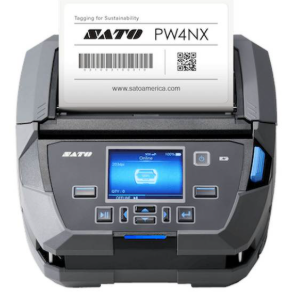
The print quality of a label directly reflects brand professionalism. Blurry images or misaligned text send the wrong message. Investing in the right color label printers or high-quality thermal label printers can elevate the final product.
Benefits of High-Resolution Printing:
·Crisp text and graphics
·Accurate color reproduction
·Long-lasting durability
·Enhanced visual appeal
Label clarity becomes especially critical when dealing with small fonts, barcodes, or detailed imagery.
Choosing the Right Printing Method
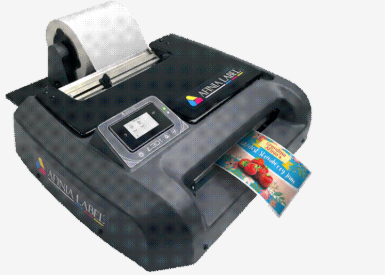
Depending on volume, material, and application, different printing methods offer different advantages.
Common Options:
Inkjet Printing
·Best for vibrant, detailed images
·Works well with affordable blank inkjet labels
Thermal Transfer Printing
·Long-lasting, resistant to heat and chemicals
·Ideal for premium topcoated direct thermal labels
Direct Thermal Printing
·No ink or toner required
·Suited for short-term use like shipping labels
Laser Printing
·High-speed, economical for bulk jobs
·Compatible with toner-based label printers
When and Why to Use Portable Label Makers
For small businesses or mobile operations, portable label makers offer flexibility and control. They’re perfect for labeling in real-time, whether at pop-up shops, warehouses, or during field operations.
Benefits:
·Compact and lightweight
·Quick labeling on the go
·Integration with mobile apps
·Supports a variety of label types
Best Practices for Compliance and Clarity
Label design isn’t only about looks. It must also meet regulatory and consumer information standards.
·Include mandatory info: Ingredients, nutritional facts, safety warnings
·Use universal symbols: For allergens, recycling, certifications
·Comply with local laws: FDA, OSHA, or regional requirements
Proper labeling can prevent legal issues, build trust, and enhance the customer experience.
Testing Your Label Before Full Production
Always test your label design in real-world conditions before full-scale printing.
Steps:
·Print mock-ups using your high-quality color label printer.
·Apply to actual product packaging.
·Test for durability, readability, and consumer response.
·Make adjustments as needed before mass production.
The Value of Blank Label Stock
Blank labels offer flexibility and cost-efficiency. Brands can order blank inkjet labels in bulk and print in-house, making it easy to adapt to changing product lines or promotions.
Benefits:
·Fast turnaround
·Cost control
·Customization
·Reduced waste
This is especially valuable for startups or seasonal product lines.
Sustainability and Eco-Conscious Design
Today’s consumers care about sustainability. Choosing recyclable or biodegradable label materials can boost brand image.
·Use soy-based inks
·Choose recyclable adhesives and liners
·Highlight eco credentials clearly on the label
Environmentally friendly design isn’t just ethical—it’s a smart marketing strategy.
How Will Your Label Compete on the Shelf?
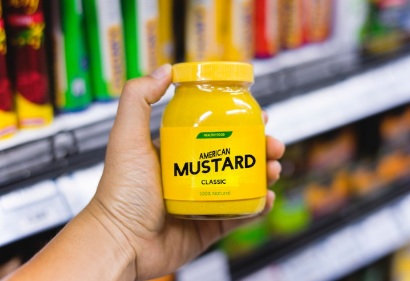
In a store full of competing products, your label is your voice. Is it speaking clearly and confidently? Or is it getting lost in the noise? Good label design doesn’t just decorate—it sells. From the psychological impact of colors to the sharpness delivered by high-resolution printers, every design choice can influence consumer behavior.
DuraFast Label Company helps businesses take control of their labeling strategy. With everything from direct thermal printers and high-quality thermal label printers to blank inkjet labels and premium toner cartridges, they provide the tools brands need to maintain consistency and quality in-house.
Why should brands turn to DuraFast? Because they offer more than supplies—they offer a strategic advantage. Their solutions are trusted by small and large companies alike for reliability, print quality, and cost-effectiveness. Whether you’re printing durable non-topcoated direct thermal labels or vibrant product packaging, their products help you put your best brand forward.
Ready to start making an impact with your packaging? Browse the wide selection of printers, toners, and blank labels at DuraFast Label Company to get the tools you need for professional, high-impact product labeling.